Building trust among the people in the command is essential for a chaplain who wants to be effective and successful, but it can be tricky. It is a known fact that people in the military will be watching their chaplain, and they’ll determine whether they trust you by what they see and hear.
If they see the chaplain cutting corners, missing meetings, or being self-centered, they’ll know. On the other hand, if they see you involved in command activities, selflessly serving, or going above and beyond, that will make a very different impression.
An infantry officer told me one day that none of the people in his battalion respected their chaplain because he refused to leave the chapel and spend time with them where they lived and worked. An NCO mentioned that most of the people in her command wanted nothing to do with their chaplain because he was out of shape and lazy. One chaplain frequently skipped staff meetings, seldom visited people, and everyone knew he spent most of his days at the golf course.
My practice wherever I served was to be visible, to get to know people and to encourage them.
First, I made a point of visiting every section in the command on a regular basis, and as an installation chaplain, visiting the different buildings and offices on base. I wanted people to know they had a chaplain who cared, who was available, who was approachable.
Second, I participated in command activities even when I wasn’t in charge or on the agenda. People respond to you when you invest in them and their activities.
Third, I intentionally spent time with officers, NCOs, and enlisted personnel. I didn’t want to be known only as a chaplain to the officers. Nor did I want to be seen only as the NCO’s chaplain. I was there to represent my faith group, my God, and the command to everyone.
Fourth, throughout my career, I took time to read regulations, memos, instructions, and other official documents. I didn’t want to be the chaplain who embarrassed the commander, my church, or myself by not knowing. Trust me, it made a huge difference many times. It even got me selected for a few key assignments.
Fifth, as often as I could, I made a practice of praising and encouraging people. When I saw people doing something good, I told them so. And I told the commander and NCOIC. When senior leaders hear from the chaplain about good stuff that’s going on, it makes everybody look and feel good. Plus. it lets the leaders know that their chaplain is out and about with their people.
Our role as chaplains obviously entails more than the items in this summary. But in many ways, effectiveness in military ministry comes down to establishing a reputation . . . a reputation of Friendship, Availability, Character, and Trust. With this kind of reputation, a chaplain will have an open door for the spiritual mission at the heart of our calling.
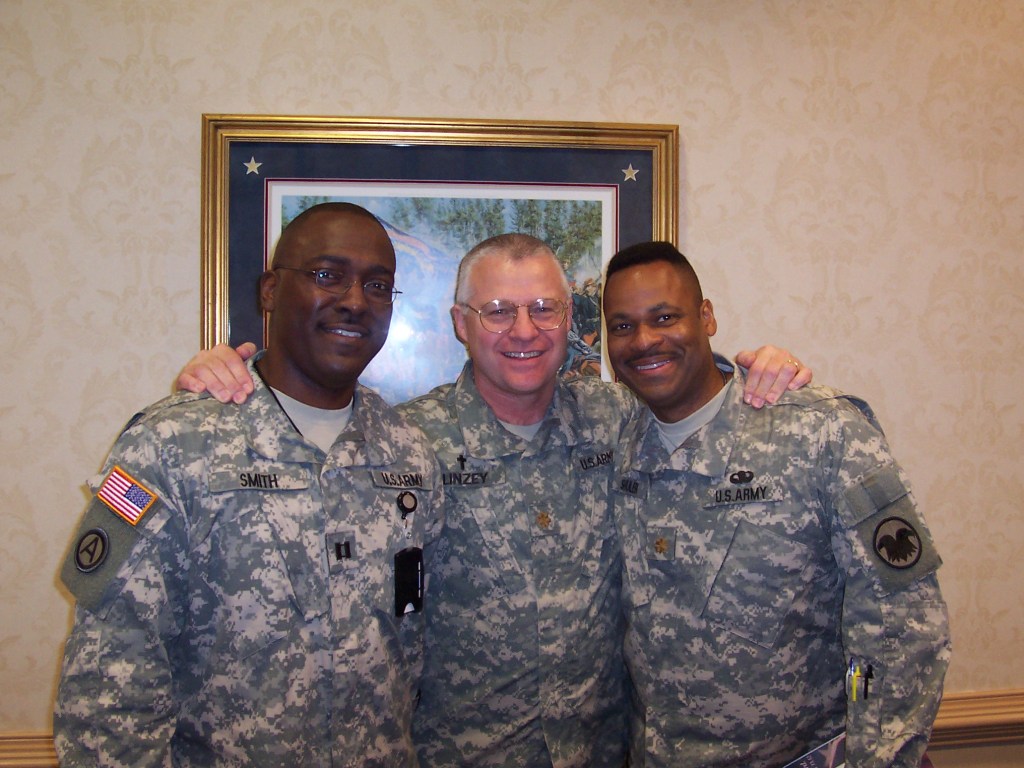
By CH (COL-Ret.) Paul Linzey.

Find out more about effectively serving as a military chaplain in the book, Military Ministry: Chaplains in the Twenty-First Century.
 Military Chaplain Guide