When I was commissioned as a chaplain, I had a lot of ministerial experience in the church world. Plus, as the son of a good military chaplain, I had seen and heard many stories and principles about effectively navigating a military career.
However, there were several specific practices that I hadn’t picked up on. Knowing these from the start might have prevented some conflict and embarrassment. Once I learned them, they definitely helped pave the way for success.
One of those was the practice of making sure my rater and command staff knew where I was at any given time. I learned this the hard way.
In my first Active Duty position, there were personnel in multiple locations that I needed to visit, and I faithfully spent time at each work place. Occasionally, I would visit some of my people before coming to the main headquarters building where my office was. There were times my commander and others on his staff saw me arrive at HQ at 1000 or 1100 (ten or eleven a.m.) and had the impression that I was just showing up for work. They didn’t know that I had done PT with Charlie Company at 0600, or been to the firing range with another group at 0700, or to the hospital to visit Soldiers at 0900.
One day, the colonel called me into his office and literally yelled at me and cussed me out for thinking I could get away with working partial days, what he termed “banker’s hours.” He thought I was a lazy bum who was destined for failure in a miserable career in the Army. He really tore into me, telling me in quite colorful language that I was the worst officer he had ever seen.
From then on, I made a point of calling or emailing my location and activities to the command staff whenever I was out of the HQ building, and I made sure my own staff knew where I was at all times and how they could reach me.
I also learned the importance of keeping a log or journal of every appointment, phone call, visit, worship service, counseling session, and significant conversation. This made it easy to demonstrate that I was doing my job faithfully, and it allowed me to quantify my activities when it came time to prepare evaluation support forms and periodic meetings with my rater or commander.
About a year after leaving that first position, I got a call from the chaplain who replaced me. “What did you do here?” he asked. “The colonel thinks you’re the best damn chaplain in the whole US Army!”
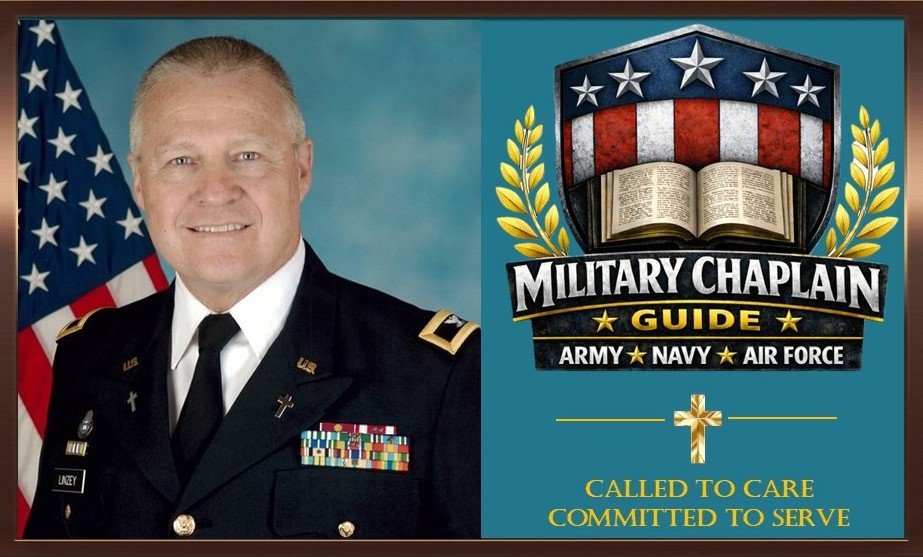
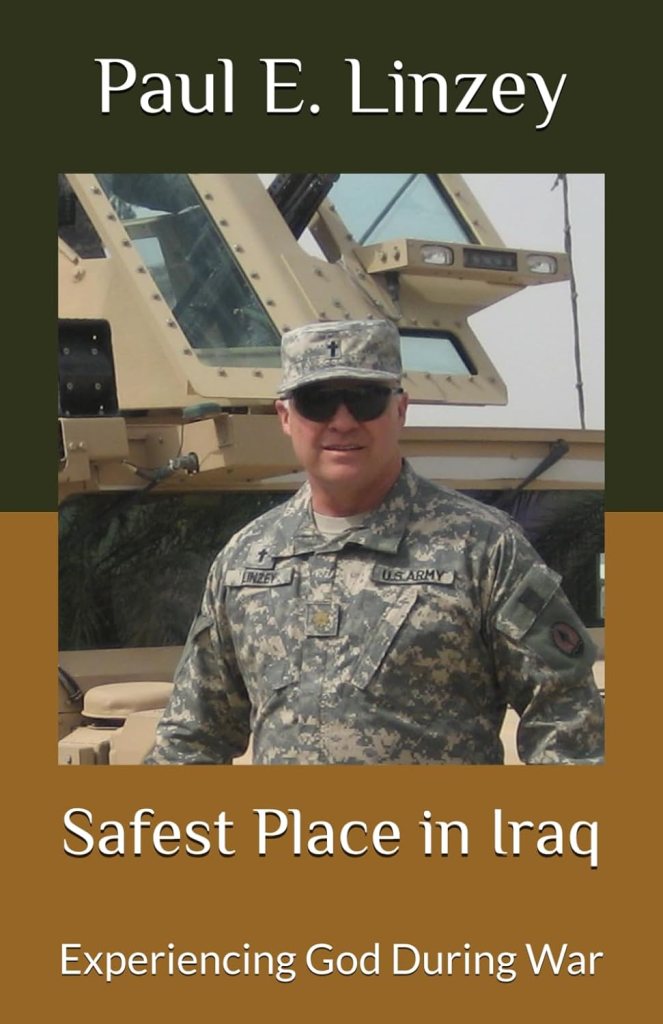
For more helpful tips on managing a successful career as a military chaplain, see our book Military Ministry: Chaplains in the Twenty-First Century. Or even my memoir about serving in Iraq. The book is titled Safest Place in Iraq.